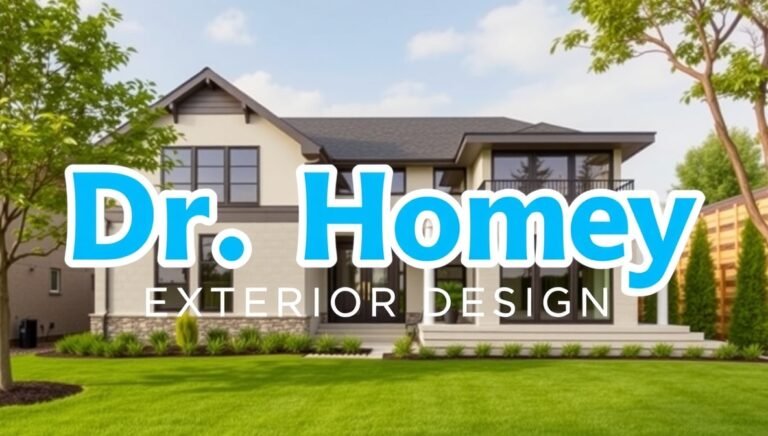
Exterior Design Dr Homey – Complete Guide to Modern, Functional, and Timeless Home Exteriors
Designing the outside of a home is no longer just about walls and a roof. It is about identity, comfort, functionality, and long-term value. A thoughtfully designed exterior creates a powerful first impression and sets expectations for what lies inside. In today’s design-conscious world, homeowners are paying more attention than ever to how their homes appear from the outside, how they interact with the surrounding environment, and how exterior elements can improve everyday living. Concepts inspired by exterior design dr homey have become increasingly influential because they balance aesthetics with practicality in a very natural way.
The exterior of a house communicates personality before a single word is spoken. Whether minimal and modern or warm and traditional, the design choices reflect lifestyle, taste, and priorities. Materials, shapes, colors, landscaping, and lighting all work together to create a unified visual story. Understanding how these components connect is the first step toward creating an exterior that feels intentional rather than accidental.
The Purpose of Exterior Design
Exterior design is not simply decorative. It serves multiple purposes that directly affect comfort, safety, and long-term maintenance. A well-planned exterior protects the structure from weather, enhances energy efficiency, and supports the daily routines of the people living inside. At the same time, it influences how neighbors, guests, and even passersby perceive the home.
When exterior design is approached thoughtfully, it becomes an extension of interior living. Entryways guide movement, outdoor spaces become usable rooms, and architectural features frame views and light. Many homeowners who explore ideas similar to exterior design dr homey discover that the exterior can feel just as welcoming and personal as the interior when planned with care.
Architectural Style as a Foundation
Every successful exterior begins with a clear architectural direction. Style provides structure and limits, which actually make creative decisions easier. Modern homes often emphasize clean lines, flat or low-pitched roofs, and large openings, while traditional homes focus on symmetry, pitched roofs, and decorative details. Transitional styles blend elements from both ends of the spectrum.
The key is consistency. Mixing styles without a clear strategy can make a home feel confusing or unfinished. When homeowners adopt a cohesive approach inspired by exterior design dr homey, they often prioritize harmony over trend-chasing. This results in a timeless appearance that remains attractive even as design fashions change.
Materials That Define Character
Materials are one of the most powerful tools in exterior design. Stone, brick, wood, metal, and modern composites each bring their own texture, color, and emotional response. Natural materials tend to feel warm and grounded, while industrial materials convey strength and modernity. dr homey handy tips
Choosing materials is not only about appearance but also about climate and maintenance. Durable materials suited to local weather conditions reduce long-term costs and preserve visual appeal. Many exterior design approaches associated with exterior design emphasize materials that age gracefully, developing character over time instead of deteriorating.
Color and Visual Balance
Color choices can dramatically change how a home feels. Light colors can make a building appear larger and more open, while darker tones add depth and sophistication. Accent colors draw attention to architectural details such as doors, window frames, or trim.
Balance is crucial. Too many colors can overwhelm the eye, while too few may feel flat. Successful exteriors often rely on a primary color, a secondary supporting color, and one or two accents. Designers who follow principles similar to exterior design dr homey often prefer palettes that feel calm, natural, and connected to the surrounding landscape.
Entryways and First Impressions

The entrance is the focal point of most exteriors. It is where function and symbolism meet. A clear, welcoming entry guides visitors and creates a sense of arrival. Elements such as steps, pathways, doors, and lighting all contribute to this experience.
A well-designed entry does more than look good. It provides shelter from weather, supports accessibility, and improves security. Many homeowners inspired by exterior design dr homey focus on making the entry feel human-scaled and approachable, avoiding designs that feel intimidating or overly formal.
Landscaping as an Extension of Architecture
Landscaping is not separate from exterior design; it is an essential part of it. Plants, trees, and hardscape elements frame the building and soften architectural lines. Thoughtful landscaping can highlight strengths and downplay less attractive features.
Seasonal interest is also important. A mix of evergreen and seasonal plants ensures that the exterior remains appealing throughout the year. In design philosophies aligned with exterior design dr homey, landscaping is often treated as a living element that evolves over time rather than a static decoration.
Outdoor Living Spaces
Modern homeowners increasingly view outdoor areas as functional living spaces. Patios, terraces, balconies, and gardens extend the usable area of the home and support relaxation, entertainment, and family activities.
Designing these spaces requires the same care as interior rooms. Proportion, circulation, privacy, and comfort all matter. Concepts related to exterior design often emphasize seamless transitions between indoors and outdoors, creating a sense of flow that encourages people to use these spaces regularly.
Lighting and Atmosphere
Exterior lighting plays a dual role: safety and ambiance. Path lights, wall fixtures, and accent lighting improve visibility and security, while also enhancing architectural features after dark.
Good lighting design avoids harsh glare and uneven brightness. Instead, it layers light at different levels to create depth and warmth. Many designs influenced by exterior design dr homey favor subtle, well-placed lighting that enhances the home’s character without overpowering it.
Sustainability and Environmental Awareness
Sustainability is becoming a core consideration in exterior design. Energy-efficient materials, passive shading, water-saving landscaping, and durable construction all contribute to a smaller environmental footprint.
Designing with sustainability in mind does not mean sacrificing beauty. In fact, many eco-friendly choices enhance visual appeal while reducing long-term costs. Approaches similar to exterior design dr homey often integrate sustainability naturally, making it feel like an inherent part of good design rather than an add-on.
Adapting Design to Climate
Climate plays a major role in exterior design decisions. Roof shapes, window placement, material selection, and shading strategies should all respond to local weather patterns. Homes in hot regions benefit from shade and ventilation, while colder climates require insulation and protection from moisture.
A climate-responsive design not only improves comfort but also extends the life of the building. Designers who work with principles found in exterior design typically prioritize climate adaptation early in the process to avoid costly adjustments later.
Cultural and Contextual Sensitivity
Every home exists within a broader context. Neighborhood character, cultural expectations, and local traditions all influence how an exterior is perceived. Respecting this context does not mean copying surrounding buildings exactly, but rather responding thoughtfully to them.
Homes that feel out of place can disrupt visual harmony and even face community resistance. Many exterior design strategies inspired by exterior design dr homey aim to balance individuality with respect for the surrounding environment, creating designs that feel both unique and appropriate.
Maintenance and Longevity
A beautiful exterior should remain beautiful over time. Maintenance requirements should be considered during the design phase, not after construction. Choosing materials and finishes that resist weathering and aging reduces future effort and expense.
Longevity is about more than durability; it is also about timeless design. Homes influenced by exterior design dr homey often avoid overly trendy elements that may look dated quickly, instead focusing on proportions and details that age well.
Renovation and Updating Existing Homes

Exterior design is not limited to new construction. Many homeowners seek to refresh or modernize existing homes without rebuilding from scratch. Strategic updates such as new cladding, improved lighting, or refreshed landscaping can dramatically change appearance.
Renovation requires careful analysis of what to keep and what to change. Approaches aligned with exterior design often respect the original structure while enhancing functionality and visual appeal through targeted improvements.
The Emotional Impact of Exterior Design
Beyond function and aesthetics, exterior design has an emotional dimension. Coming home to a place that feels welcoming can influence mood and well-being. A thoughtfully designed exterior can create a sense of pride and comfort that extends into daily life.
This emotional connection is a defining feature of philosophies similar to exterior design dr homey. The goal is not just to impress others, but to create a space that genuinely supports the people who live there.
Planning and Professional Guidance
While inspiration is widely available, translating ideas into a coherent design can be challenging. Professional guidance helps align vision, budget, and technical requirements. Designers can identify potential issues early and propose solutions that homeowners may not have considered.
Working with a clear concept inspired by exterior design dr homey can make collaboration smoother, as it provides a shared language and set of priorities for everyone involved in the project.
Bringing It All Together
A successful exterior design is the result of many interconnected decisions. Architecture, materials, color, landscaping, lighting, and sustainability all contribute to the final outcome. When these elements are aligned, the exterior feels intentional and complete.
Homeowners who explore ideas rooted in exterior design dr homey often discover that the most satisfying designs are those that balance beauty, function, and emotion. Rather than focusing on a single feature, they consider how each choice affects the whole.
Conclusion
Exterior design is a powerful expression of how a home interacts with the world. It shapes first impressions, supports daily living, and reflects personal values. By approaching exterior design with clarity, consistency, and care, homeowners can create spaces that are not only visually appealing but also deeply livable.
The lasting appeal of design philosophies connected to exterior design dr homey lies in their human-centered approach. By prioritizing comfort, harmony, and long-term value, these ideas help transform houses into welcoming homes that stand the test of time.